
7 products

Sparkling Wines: Cremant, Prosecco and Italian Frizzante
The sparkling wines on this page are Cremant and Prosecco, plus an Italian frizzante and a Brut rose. There is no Champagne in the current range. If you are here for a bottle to open at a birthday, a wedding toast or a Friday night, the sections below set out what separates Champagne from the wines listed here, and how to read the label so you end up with the sweetness level you meant to buy. Seven bottles are listed, from a Loire Cremant to a Prosecco magnum.
Champagne, Cremant and Prosecco: What Is the Difference?
All three are sparkling wines. The differences come down to where they are made, which grapes are used, and how the bubbles get into the bottle.
- Champagne can only be called Champagne if it comes from the Champagne region of north-east France and is made by the traditional method, where the second fermentation that creates the bubbles happens inside the bottle it is sold in. That slow in-bottle process gives the style its fine bead and its bready note.
- Cremant is French sparkling wine made by that same traditional bottle fermentation, but outside the Champagne region and from local grapes. Cremant de Loire comes from the Loire valley. The method is the same; the postcode and the grapes are not.
- Prosecco is Italian, made mainly from the Glera grape in the north-east of Italy, and the second fermentation usually happens in a sealed tank rather than in the bottle. That tends to give a fresher, more openly fruity, less bready style.
Wikipedia covers the Champagne appellation rules and the Prosecco denomination in full, including the regions and grapes each one permits.
Brut or Extra Dry? What the Label Actually Means
This trips up more shoppers than any other part of a sparkling wine label, because the words do not mean what they look like they mean. "Extra Dry" is sweeter than "Brut". The scale, driest first, runs roughly: Brut Nature, Extra Brut, Brut, Extra Dry, Dry, Demi-Sec, Doux. So a bottle marked Extra Dry sits a step sweeter than a Brut, and a bottle marked Dry is sweeter still.
In practice: Brut is the safe default for a toast, an aperitif, or anything you are serving with food. Extra Dry suits people who find Brut too austere, and it works with fruit puddings, brunch, and cocktails where a little sweetness helps.
Two more label words worth knowing:
- Spumante means fully sparkling. Frizzante means lightly sparkling, at a lower pressure, so the fizz is gentler and the wine feels softer.
- Magnum is a bottle size: 1.5 litres, the equivalent of two standard bottles.
The Bottles in This Collection
Cremant and French sparkling
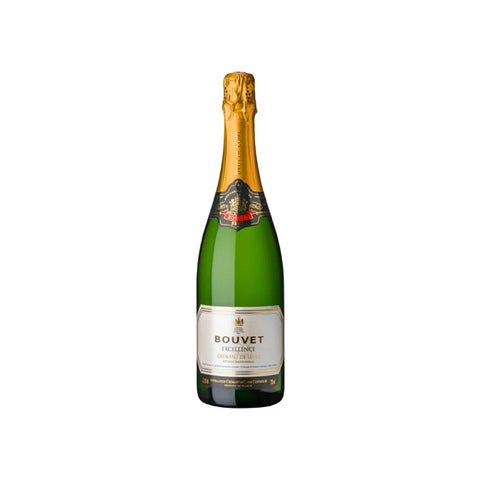
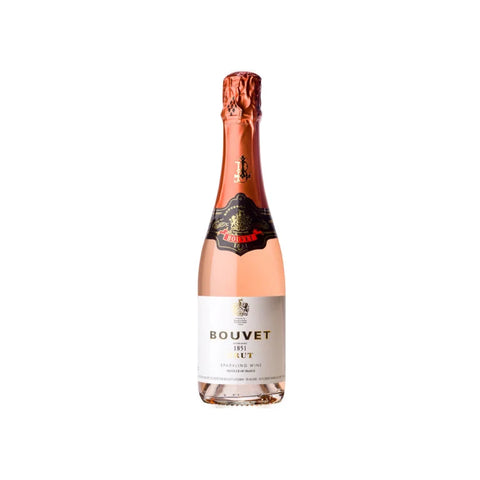
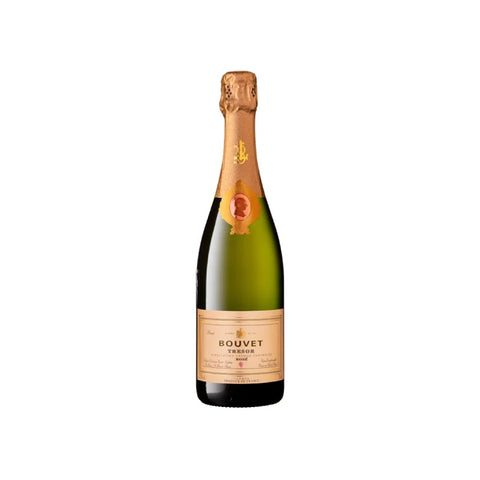
The Bouvet Cremant de Loire Excellence is the Cremant in the range, from the Loire. Alongside it sit the Bouvet Ladubay Tresor Brut and the Bouvet Ladubay Rose Brut, both Brut, so both at the dry end of the scale. The rose is the one for a summer table or a plate of charcuterie. There are more pink bottles in the rose wines collection.
Prosecco
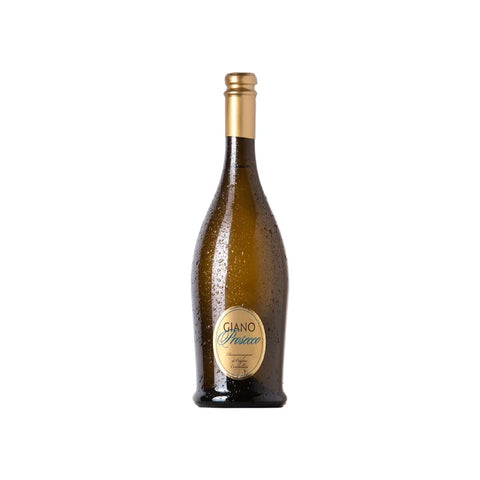
The Giano Prosecco is the standard-bottle Prosecco. The Prosecco Spumante Brut Magnum is a fully sparkling Brut in the 1.5 litre magnum format, which is the sensible choice when you are pouring for a table rather than a pair.
Italian frizzante and Extra Dry
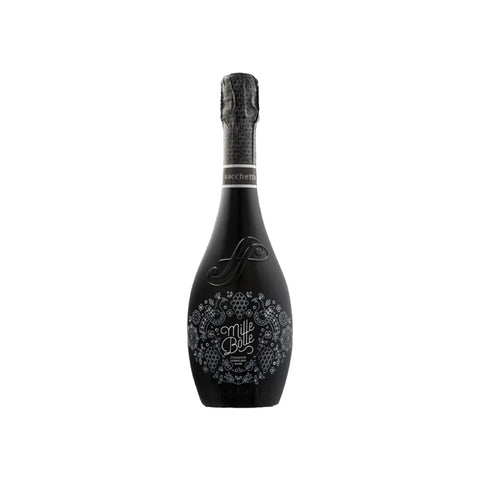
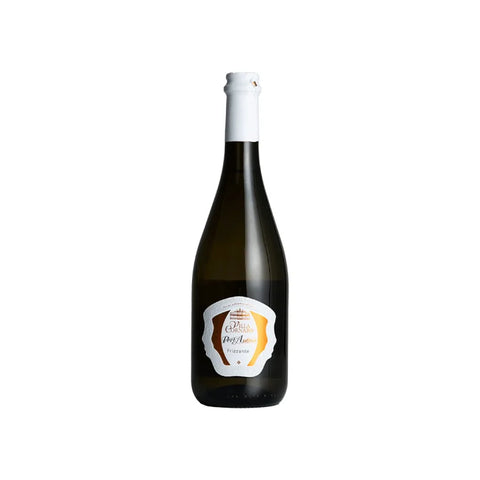
The Perl Anima, IGT Vino Frizzante is the gentler, lightly sparkling option, and IGT is an Italian regional classification. The Mille Bolle, Extra Dry Sparkling Wine is the Extra Dry in the range, so, going by the scale above, a touch sweeter than the Brut bottles rather than drier. It is the one to reach for if Brut has ever struck you as too lean.
Frequently Asked Questions
Do you sell Champagne?
There is no Champagne in the current range. The sparkling wines on this page are Cremant and Prosecco, plus an Italian frizzante and a Brut rose.
What is the difference between Champagne, Cremant and Prosecco?
All three are sparkling wines. Champagne can only be called Champagne if it comes from the Champagne region of north-east France and is made by the traditional method, where the second fermentation that creates the bubbles happens inside the bottle it is sold in. Cremant is French sparkling wine made by that same traditional bottle fermentation, but outside the Champagne region and from local grapes. Prosecco is Italian, made mainly from the Glera grape in the north-east of Italy, and its second fermentation usually happens in a sealed tank rather than in the bottle, which tends to give a fresher, more openly fruity style.
Is Extra Dry drier than Brut?
No, and this trips up more shoppers than any other part of a sparkling wine label. Extra Dry is sweeter than Brut. The scale, driest first, runs roughly: Brut Nature, Extra Brut, Brut, Extra Dry, Dry, Demi-Sec, Doux. So a bottle marked Extra Dry sits a step sweeter than a Brut, and a bottle marked Dry is sweeter still.
What does frizzante mean?
Frizzante means lightly sparkling, at a lower pressure than a fully sparkling wine, so the fizz is gentler and the wine feels softer. Spumante means fully sparkling.
How big is a magnum?
A magnum is 1.5 litres, the equivalent of two standard bottles.
For still bottles, the rose wines collection sits alongside this one.

Savour the flavours. vomFASS is proud to offer exclusive, high quality foods that harmonize beautifully with our core assortment of oils, vinegars, and wines. Pamper yourself and others with unique and delectable vomFASS-created bruschetta, pasta, olives and spice sets as well as chutneys and syrups which are specially refined with our exquisite balsamic vinegars.
Exclusive specialty foods, thoughtfully selected and artfully displayed to entice your taste buds and delight your guests