
5 products
Seed and Nut Oils: Walnut, Hazelnut, Pumpkin Seed and Sesame
Seed and nut oils are what you reach for when olive oil is not the right answer. This collection holds four of them at vomFASS UK, plus one gourmet food that sits alongside them: Walnut Oil, Hazelnut Oil vierge, Styrian Pumpkin Seed Oil, Ginger Sesame Oil and a Pistachio creme. These are strong-flavoured oils, used in spoonfuls rather than glugs, and mostly added at the end of cooking rather than the start. A little walnut oil through a chicory salad, or pumpkin seed oil over a bowl of soup, does more work than a whole bottle of something neutral.
The Oils in This Collection
Five products are listed here. Four are oils, each doing a different job.
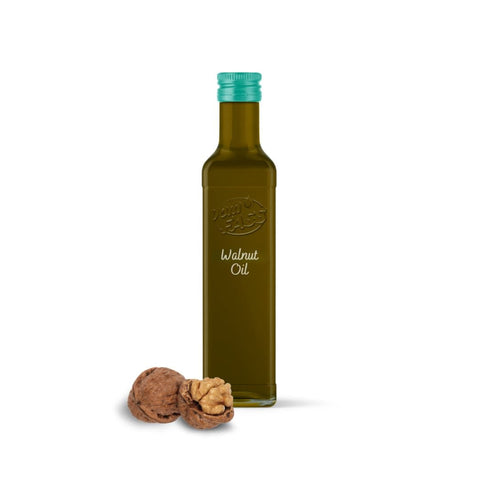
Walnut Oil
Walnut Oil has a deep, slightly bitter nuttiness that suits autumn and winter cooking. It is the classic partner for bitter leaves: chicory, radicchio, watercress, endive. Whisk it into a dressing with a sharp vinegar, or trickle it over roast squash, blue cheese, pears or a lentil salad. Nut oils of this kind are generally treated as finishing oils rather than frying oils, because heat flattens the aroma you paid for.
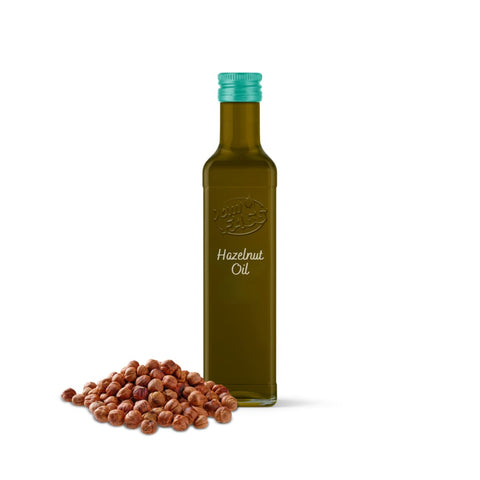
Hazelnut Oil vierge
Hazelnut Oil vierge is rounder and sweeter than walnut, with a toasted quality that flatters green beans, roast carrots, mushrooms, goat's cheese and chocolate puddings. The name carries the French word vierge, meaning virgin. Like walnut, it is a finishing oil first: try it in a dressing with a fruit vinegar, or over a warm potato salad while the potatoes can still absorb it.
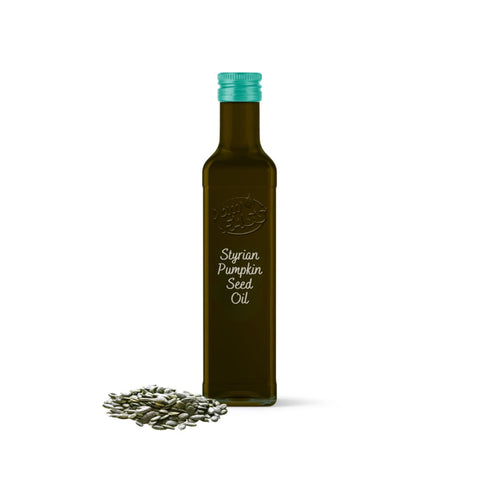
Styrian Pumpkin Seed Oil
Styrian Pumpkin Seed Oil takes its name from Styria in southern Austria, where the dark green, intensely nutty oil is a regional speciality pressed from roasted pumpkin seeds. It is thick, almost black in the bottle, green when spread thin. Austrians pour it over pumpkin soup, potato salad, sliced tomatoes and, more surprisingly, vanilla ice cream. It is not a cooking oil. Use it cold and neat.
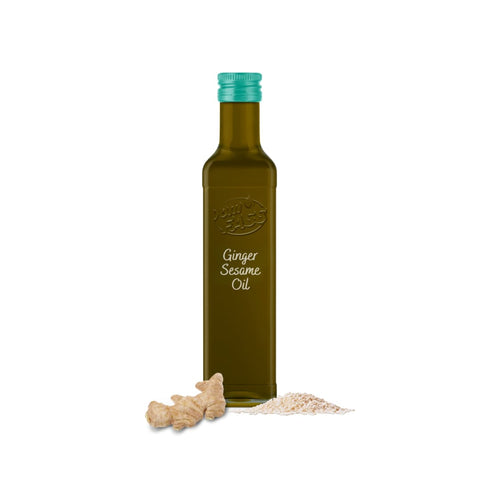
Ginger Sesame Oil
Ginger Sesame Oil brings sesame together with ginger, which puts it into stir-fries, noodle bowls, dumpling dipping sauces and slaw dressings. Sesame carries a lot of flavour, so start with less than you think.
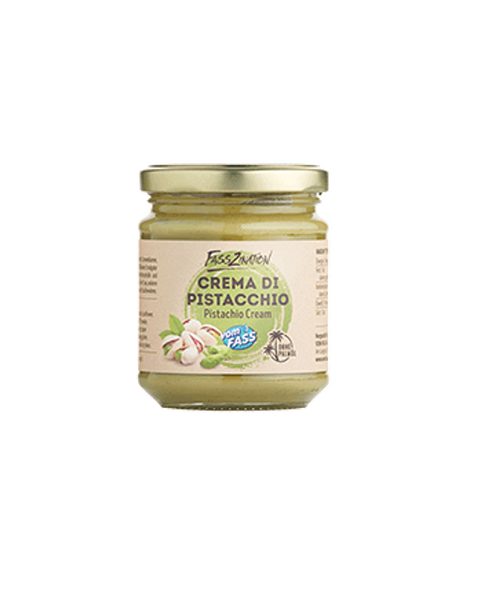
Pistachio creme
The odd one out. Pistachio creme is listed in this collection but it is a gourmet food rather than an oil, so treat it as a spoon-and-spread product alongside the rest of the gourmet foods range rather than as a dressing ingredient.
How to Use Nut and Seed Oils Without Wasting Them
These oils are bought for aroma, and aroma is the first thing heat destroys. A few rules apply across the category:
- Add them late. Off the heat, at the table, or stirred through at the end. The flavour you paid for is volatile.
- Use less than you would olive oil. These oils are assertive. In a dressing, cut them with a neutral oil if the result is too heavy.
- Mind the pairing. Nut oils want a sharp partner. A fruit vinegar or a balsamic cuts the richness and stops a dressing tasting flat.
- Store them cool and dark. They are more prone to going rancid than olive oil. A cupboard away from the hob, cap on, used within months rather than years.
- Check the label before heating. Smoke points vary a lot between oils, and between refined and unrefined versions of the same oil.
Wikipedia's article on smoke point lists typical figures by oil type and refinement level, the quickest way to check whether an oil belongs in a hot pan or on a finished plate.
About vomFASS UK
vomFASS pioneered the refill concept in 1994, and the model started in Germany. "vom Fass" is German for "from the barrel". Bring an empty vomFASS olive oil, balsamic vinegar or spirit bottle into the Stamford shop in Lincolnshire and we will refill it from the cask. vomFASS has been serving the United Kingdom for over 30 years.
Frequently Asked Questions
What are seed and nut oils used for?
Mostly for flavour added at the end of cooking rather than fat used at the start. They suit dressings, drizzles over roast vegetables and soups, marinades, and dishes where the oil is meant to be tasted rather than hidden.
What is Styrian pumpkin seed oil?
Styrian pumpkin seed oil takes its name from Styria in southern Austria, where the dark green, intensely nutty oil is a regional speciality pressed from roasted pumpkin seeds. It is used cold, over pumpkin soup, potato salad, sliced tomatoes and even vanilla ice cream, rather than as a cooking oil.
Can you cook with walnut oil and hazelnut oil?
Nut oils of this kind are generally treated as finishing oils rather than frying oils, because heat flattens the aroma you paid for. Smoke points vary a lot between oils, and between refined and unrefined versions of the same oil, so check the label before heating any of them.
How should I store nut and seed oils?
Cool and dark. Nut and seed oils are more prone to going rancid than olive oil. Keep them in a cupboard away from the hob, cap on, and use them within months of opening rather than years.
New to these? The Ultimate Oil Sample Set is the lower-commitment way in, while the extra virgin olive oils collection covers everyday cooking.

Savour the flavours. vomFASS is proud to offer exclusive, high quality foods that harmonize beautifully with our core assortment of oils, vinegars, and wines. Pamper yourself and others with unique and delectable vomFASS-created bruschetta, pasta, olives and spice sets as well as chutneys and syrups which are specially refined with our exquisite balsamic vinegars.
Exclusive specialty foods, thoughtfully selected and artfully displayed to entice your taste buds and delight your guests