Few desserts carry quite the same romantic charm as a heart-shaped cheesecake. Whether you're celebrating Valentine's Day, an anniversary, or simply treating someone you adore, this creamy, indulgent bake says it all without a word. And when you drizzle it with a glossy ribbon of raspberry balsamic crema or crown it with jewel-bright fruit spread, you elevate a classic into something truly extraordinary.
In this guide we walk through every stage of making the perfect cheesecake at home, from choosing the right cream cheese to unmoulding that pristine heart shape without a hitch. We've also included flavour variations, make-ahead tips, and ideas for presenting your creation like a pâtisserie professional.
Why This Recipe Works
This is a classic New York-style baked cheesecake adapted for a heart-shaped mould. It relies on a few core principles that guarantee a silky, crack-free result every time:
- Room-temperature ingredients - cold cream cheese creates lumps and traps air bubbles that expand in the oven and crack the surface.
- Low-and-slow baking - a moderate oven (around 160 °C / 140 °C fan) lets the custard set gently from the outside in.
- A water bath (bain-marie) - the steam cushions the cheesecake from direct heat, preventing the edges from cooking faster than the centre.
- Minimal mixing after adding eggs - over-beating incorporates too much air, which puffs up and then collapses.
Get these four things right and you'll have a cheesecake with a dense, velvety texture, no cracks, no sunken middle, just pure satisfaction.
Choosing the Right Cream Cheese
Not all cream cheese is created equal, and the type you use has a genuine impact on your finished cheesecake's texture and flavour.
- Full-fat block cream cheese (e.g. Philadelphia Original). This is the gold standard for baked cheesecakes. Its low moisture content produces a dense, creamy set. Always use block, never the spreadable tub variety, which contains stabilisers that weaken the structure.
- Double cream soft cheese - richer than standard cream cheese, this gives an almost mousse-like luxuriousness. It works brilliantly in no-bake versions where you want the filling to hold its shape without gelatine.
- Mascarpone - Italian mascarpone is milder and slightly sweeter. Swap in up to half the cream cheese for mascarpone if you want a lighter, less tangy result: wonderful with strawberry fruit spread on top.
- Ricotta blends - mixing ricotta with cream cheese creates a lighter, slightly grainy texture typical of Italian-style cheesecakes. Lovely if you prefer something less heavy.
Whichever you choose, leave it on the worktop for at least an hour before you begin. Truly room-temperature cream cheese is the single biggest secret to a smooth batter.
Essential Equipment
You'll need a heart-shaped springform tin (around 23 cm / 9 inches across at its widest point). Springform tins have a removable base and a clasp on the side, which makes unmoulding infinitely easier than trying to invert a cheesecake from a standard cake tin. If your tin isn't non-stick, line the base with baking parchment and lightly grease the sides with butter.
Other useful kit:
- Electric hand mixer or stand mixer with a paddle attachment
- A large, deep roasting tin (to act as the water bath)
- Heavy-duty aluminium foil (to waterproof the outside of the springform)
- Palette knife or offset spatula (for smoothing the top)
Ingredients
For the Biscuit Base
- 250 g digestive biscuits
- 100 g unsalted butter, melted
- 1 tablespoon caster sugar
- Pinch of fine sea salt
For the Cheesecake Filling
- 900 g full-fat cream cheese, at room temperature
- 200 g caster sugar
- 3 tablespoons plain flour
- 1 teaspoon vanilla extract (or seeds from 1 vanilla pod)
- Zest of 1 lemon
- 4 large eggs, at room temperature
- 150 ml sour cream
For the Topping
- 150 ml sour cream
- 1 tablespoon caster sugar
- 2-3 tablespoons vomFASS Raspberry Fruit Spread or Strawberry Fruit Spread
- Fresh berries for decoration (optional)
- A drizzle of Crema di Balsamico Raspberry (optional but spectacular)
Step-by-Step Method
1. Prepare the Base
Preheat your oven to 160 °C (140 °C fan / Gas 3). Crush the digestive biscuits in a food processor, or place them in a zip-lock bag and bash with a rolling pin, until you have fine crumbs. Stir in the melted butter, sugar, and salt until every crumb is coated. Press the mixture firmly into the bottom of your heart-shaped springform tin, using the back of a spoon to create an even, compact layer. Pop it in the fridge while you make the filling.
2. Make the Filling
Beat the room-temperature cream cheese on medium speed until completely smooth, about 2 minutes. Scrape down the sides often. Add the sugar and flour and beat until just combined. Mix in the vanilla and lemon zest.
Add the eggs one at a time, beating on low speed after each addition until barely incorporated. Don't overwork it. Finally, fold in the sour cream by hand with a spatula. The batter should be thick, glossy, and lump-free.
3. Set Up the Water Bath
Wrap the outside of your springform tin tightly in two layers of heavy-duty foil (this prevents water from seeping in). Place the tin inside a large, deep roasting tray. Pour the filling over the chilled biscuit base and smooth the top. Carefully pour hot water into the roasting tray until it reaches about halfway up the outside of the cheesecake tin.
4. Bake
Slide the whole assembly into the oven and bake for 60-70 minutes. The cheesecake is done when the edges are set but the centre still has a gentle wobble, think of a panna cotta jiggle. Turn off the oven, crack the door open slightly, and leave the cheesecake inside for a further hour. This gradual cool-down dramatically reduces the chance of cracking.
5. Chill
Remove from the water bath, peel off the foil, and refrigerate for at least 4 hours, overnight is best. Cheesecake sets fully as it chills and the flavours deepen beautifully.
6. Unmould and Decorate
Run a thin knife or palette knife around the inside edge of the tin, then release the springform clasp. If the sides stick, wrap a warm, damp tea towel around the outside for 30 seconds, the gentle heat loosens the cheesecake beautifully. Slide the heart onto your serving plate.
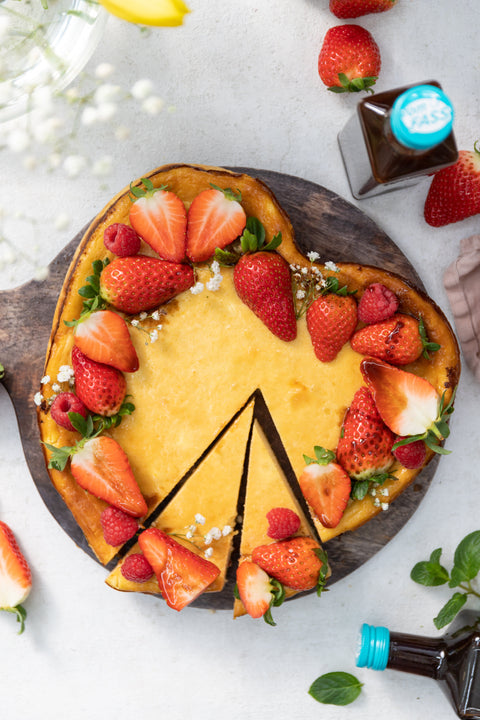
Spread a thin layer of sweetened sour cream over the top, then add spoonfuls of Raspberry Fruit Spread and swirl with a skewer for a marbled effect. Finish with a dramatic drizzle of Crema di Balsamico Raspberry - the sweet-sharp tang of the balsamic cuts through the richness in the most addictive way.
Tips for Avoiding Cracks
A cracked cheesecake still tastes fantastic, but if presentation matters (and for a heart shape it absolutely does), follow these pointers:
- Don't over-beat. Mix on low speed and stop as soon as ingredients are combined. Air is the enemy.
- Use the water bath. Yes, it's a faff. Yes, it makes a difference you can see and taste.
- Don't open the oven door during baking. Every blast of cool air causes the surface to contract unevenly.
- Cool gradually. Turn off the oven and leave the cheesecake inside for an hour before moving to the fridge.
- Don't over-bake. If the top starts to brown, it's already too far. The centre should wobble.
If a crack does appear, sour cream topping and fruit spread hide it completely, no one will ever know.
Flavour Variations
The beauty of this recipe is how easily it adapts to different flavours and occasions.
No-Bake Version
For a simpler, lighter cheesecake: replace the eggs and flour with 300 ml double cream (whipped to soft peaks) and 3 sheets of soaked gelatine dissolved in 2 tablespoons warm lemon juice. Fold the cream and gelatine into the sweetened cream cheese mixture, pour over the biscuit base, and chill for at least 6 hours. Beautifully mousse-like and perfect for warm-weather entertaining.
Chocolate Swirl
Melt 150 g dark chocolate and let it cool slightly. Pour the plain cheesecake batter into the tin, then drizzle the chocolate over the top and swirl with a skewer. Bake as normal. Pair with Aceto Balsamico Platinum for an intensely grown-up dessert, the aged balsamic's caramel and fig notes sing alongside dark chocolate.
Berry Compote Topping
Simmer 300 g mixed berries with 3 tablespoons caster sugar and a squeeze of lemon for 8-10 minutes until jammy but still chunky. Let it cool completely before spooning over the chilled cheesecake. For even more depth, stir in a tablespoon of Crema di Balsamico Raspberry at the end.
Lemon and Elderflower
Add the zest of 2 lemons and 2 tablespoons elderflower cordial to the filling. Top with a thin lemon curd layer and edible flowers, notable for a spring celebration.
Salted Caramel
Swirl 4 tablespoons shop-bought or home-made salted caramel through the batter before baking. Drizzle more over the top once chilled, with a scattering of flaked sea salt.
How vomFASS Products Elevate Cheesecake
At vomFASS, we're passionate about fruit spreads and balsamic vinegars made from exceptional ingredients, and cheesecake is one of the finest showcases for them.
- Raspberry Fruit Spread - made with a high fruit content and no artificial colours, this spread melts into a gorgeous glaze when warmed slightly. Perfect swirled over the top or folded through a no-bake filling.
- Strawberry Fruit Spread - sweeter and more delicate than raspberry, this works beautifully as a layer between the base and filling.
- Crema di Balsamico Raspberry - this thick, syrupy reduction combines traditional balsamic with raspberry. The sweet-sharp contrast against rich cream cheese is utterly irresistible.
- Aceto Balsamico Platinum - our finest aged balsamic. A few drops on a slice of plain cheesecake is a revelation, dark, complex, and deeply luxurious.
Don't be shy about experimenting. A tablespoon of balsamic crema stirred into your berry compote, or a few drops of aged balsamic folded into caramel. These are the details that turn a home-baked cheesecake into something genuinely memorable.
Make-Ahead and Storage Tips
Cheesecake is the ultimate make-ahead dessert, which makes it perfect for special occasions when you want to be present at the table rather than stuck in the kitchen.
- Fridge: A whole, un-topped cheesecake keeps beautifully in the fridge for up to 4 days, loosely covered with cling film. Add your topping on the day of serving for the freshest look.
- Freezer: Wrap the cheesecake (without topping) tightly in cling film and then foil. Freeze for up to 2 months. Defrost overnight in the fridge. It tastes just as good as fresh.
- Slices: Individually wrapped slices freeze brilliantly. Defrost at room temperature for 30-40 minutes for a quick weeknight treat.
Avoid adding fresh fruit or balsamic drizzle before freezing, as the moisture can affect the texture. Add these finishing touches once the cheesecake is fully thawed.
Valentine's Day and Special Occasion Presentation
The heart shape does half the work for you, but a few extra touches make it truly showstopping:
- Dust with icing sugar through a fine sieve for an elegant, snowy finish.
- Arrange fresh raspberries around the edge in a neat border, simple and striking.
- Drizzle in zigzags with Crema di Balsamico Raspberry and a contrasting white chocolate drizzle.
- Add edible rose petals for a romantic, garden-party aesthetic.
- Pipe rosettes of whipped cream around the perimeter using a star nozzle.
- Gift it - place the cheesecake in a beautiful gift box with a vomFASS fruit spread or balsamic as a companion present. A baked-with-love gift that feels truly personal.
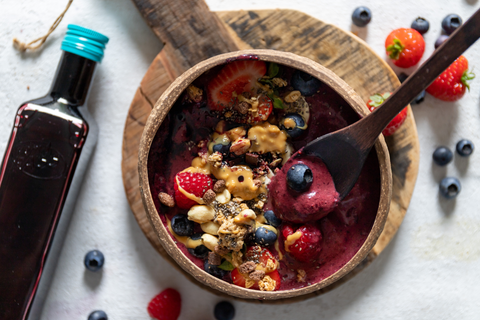
For a full Valentine's spread, start with something savoury, follow with the cheesecake, and serve alongside a berry smoothie bowl for a lighter option at brunch the next morning. Or if you're an adventurous baker, try our Pumpkin Olive Oil Cake as a second showstopper. It pairs wonderfully with the same balsamic drizzle.
Frequently Asked Questions
Can I make this cheesecake without a water bath?
You can, but the risk of cracks increases significantly. If you skip the water bath, bake at a lower temperature (150 °C / 130 °C fan) for slightly longer, and place a shallow dish of water on the oven shelf below the cheesecake. The steam helps, though not as effectively as a proper bain-marie.
Why did my cheesecake crack on top?
The most common causes are over-mixing (which incorporates too much air), baking at too high a temperature, or cooling too quickly. Following the gradual cool-down method, turning off the oven and leaving the door ajar for an hour, prevents the dramatic temperature drop that causes surface cracks.
How do I get clean slices?
Dip a sharp, thin-bladed knife in hot water before each cut, wiping it clean between slices. The warm blade glides through the filling without dragging. For absolutely pristine portions, use unflavoured dental floss stretched taut, press straight down through the cheesecake for a perfectly clean line.
Can I use a different biscuit for the base?
Absolutely. Ginger biscuits add a warm spice that works brilliantly with berry toppings. Chocolate digestives create a richer base for chocolate-swirl variations. Shortbread gives a buttery, crumbly foundation. Crushed amaretti biscuits are superb with lemon cheesecake. The ratio stays the same: roughly 250 g biscuits to 100 g melted butter.
What's the best way to serve cheesecake with balsamic vinegar?
Drizzle a small amount of high-quality balsamic - such as our Aceto Balsamico Platinum - directly over individual slices just before serving. The vinegar's acidity and complex sweetness cut through the richness of the cream cheese, creating a genuinely luxurious flavour contrast. Start with just a few drops, a little goes a long way.
More Baking Inspiration
If this cheesecake has sparked your inner baker, explore our full collection of chocolates, truffles, and sweet treats for ingredients that take home baking to the next level. And browse our favourite cheesecake inspiration for even more ideas to try with your heart-shaped tin.
Happy baking, and happy celebrating.