
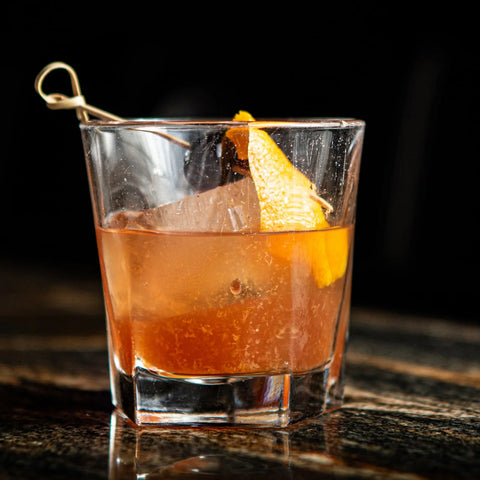
The Classic Manhattan is one of the world's most revered cocktails, a sophisticated blend of whisky, sweet vermouth, and aromatic bitters that has graced bar counters since the 1870s. Whether you prefer rye, bourbon, or something more adventurous from our international whisky range, mastering this recipe at home is surprisingly straightforward. At vomFASS, we carry an extraordinary selection of whiskies from around the globe, making it simple to find the perfect spirit for your next Manhattan.
Below you will find our tried-and-tested recipe, followed by a deep dive into the history, ingredients, technique, and variations that separate a good Manhattan from a truly great one.
Classic Manhattan Recipe
Ingredients
- 60 ml whisky (rye or bourbon. We recommend Koval Small Batch Bourbon or Black Forest Triple Wood Single Malt Whisky)
- 30 ml sweet (rosso) vermouth
- 2 dashes Angostura bitters
- Garnish: brandied cherry, orange peel twist, or lemon twist
Method
- Chill your glass. Place a coupe or Martini glass in the freezer for at least five minutes before you begin.
- Combine ingredients. Add the whisky, sweet vermouth, and bitters to a mixing glass filled with large ice cubes.
- Stir for 30 seconds. Use a long bar spoon and stir gently in a smooth, circular motion until the drink is well chilled and properly diluted.
- Strain. Using a Hawthorne or julep strainer, pour into your chilled glass.
- Garnish. Drop in a single brandied cherry or express an orange peel twist over the surface, then rest it on the rim.
Preparation time: 3 minutes · Serves: 1
A Brief History of the Manhattan Cocktail
The Manhattan is widely considered one of the five original cocktails, alongside the Old Fashioned, Martini, Daiquiri, and Sidecar. Its exact origin is debated, but the most popular account places its invention at the Manhattan Club in New York City around 1874. The story goes that Dr Iain Marshall created the drink for a banquet hosted by Lady Randolph Churchill, Winston Churchill's mother, to celebrate the election of governor Samuel J. Tilden.
Historians have since questioned whether Lady Churchill was even in New York at the time (she may have been pregnant in England), but the Manhattan Club connection endures. What we know with more certainty is that the recipe appeared in print by the early 1880s, and by the turn of the 20th century, the Manhattan was one of the most frequently ordered cocktails in America.
During Prohibition (1920-1933), American bartenders fled to London, Paris, and Havana, carrying the Manhattan recipe with them and spreading it across the globe. Today it remains a cornerstone of cocktail culture on both sides of the Atlantic, beloved for its elegant simplicity and depth of flavour.
Choosing the Right Whisky for a Manhattan
The whisky you choose defines the character of your Manhattan. Traditional recipes call for American rye whiskey, which delivers a spicy, peppery backbone that stands up brilliantly to sweet vermouth. Bourbon, on the other hand, brings a softer, sweeter profile with notes of vanilla, caramel, and toasted oak.
At vomFASS, our shelves hold whiskies from across the world, and each one will give your Manhattan a distinctive personality:
- Koval Small Batch Bourbon - A superb American bourbon from Chicago with rich grain character and a smooth, slightly sweet finish. A classic Manhattan choice.
- Black Forest Triple Wood Single Malt - Aged eight years in three different cask types, this German whisky brings layers of dried fruit and subtle smokiness for a more complex Manhattan.
- Amrita Mumbay Indian Blended Whisky - A six-year Indian blend with warm spice and tropical fruit undertones. An adventurous twist that pairs beautifully with vermouth.
- Penderyn Everyday Dram Welsh Whisky - Light, fruity, and approachable. A lovely option for those who prefer a more delicate Manhattan.
- Mimori Japanese Pure Malt - Elegant and refined, with floral honey notes. Produces a beautifully balanced Manhattan with an Eastern accent.
Browse our full whisky collection to find your ideal match, or visit one of our UK shops to taste before you buy. That is the vomFASS way.
Understanding Vermouth: Sweet, Dry, and Beyond
Vermouth is a fortified, aromatised wine - wine that has been strengthened with a neutral spirit and infused with a blend of botanicals including herbs, spices, roots, and bark. The two main styles relevant to cocktails are:
- Sweet (rosso) vermouth - Deep reddish-brown, with flavours of vanilla, caramel, and warm baking spices. This is the traditional Manhattan vermouth.
- Dry vermouth - Pale, crisp, and herbaceous with lighter floral and citrus notes. Used in a Dry Manhattan or a classic Martini.
The quality of your vermouth matters enormously. A Manhattan uses a generous 30 ml portion, so any harshness or staleness will come through. Always store vermouth in the fridge after opening, and try to use it within four to six weeks for the freshest flavour.
For a Perfect Manhattan, use equal parts sweet and dry vermouth (15 ml each) to create a balanced middle ground that is drier than the classic but more complex than the dry version.
The Science of Bitters
Bitters are the unsung hero of the Manhattan. Just two dashes may seem insignificant, but they act as a flavour bridge, connecting the sweetness of the vermouth to the warmth of the whisky while adding their own aromatic complexity.
Angostura bitters - the default choice, are made from a proprietary blend of gentian root, herbs, and spices. They contribute warm cinnamon, clove, and allspice notes that amplify the whisky's natural character. Other options include:
- Orange bitters - Add citrus brightness and work especially well with bourbon-based Manhattans.
- Chocolate bitters - Introduce a subtle cacao note that pairs magnificently with richer, oakier whiskies.
- Walnut bitters - Bring a nutty, autumnal quality that suits peated or smokier expressions.
Experimenting with different bitters is one of the simplest ways to personalise your Manhattan without fundamentally changing the drink.
Why You Stir a Manhattan (Never Shake)
A Manhattan is always stirred, never shaken. This is not merely tradition for tradition's sake. There is real science behind the technique.
Shaking introduces air bubbles that make a drink cloudy and give it a frothy texture. For cocktails containing only spirits and liqueurs (no citrus juice, no cream, no egg), a clear, silky texture is essential. Stirring chills and dilutes the drink without aerating it, producing the crystal-clear, velvety mouthfeel that defines a proper Manhattan.
The ideal stirring time is 25-35 seconds. Less than that leaves the drink too warm and under-diluted; more risks over-dilution and a watery finish. Use large ice cubes (they melt more slowly) and keep your spoon pressed gently against the inside wall of the mixing glass for a smooth, controlled rotation.
Glassware: Coupe vs Martini Glass
Traditionally, the Manhattan is served in a coupe glass - a broad, shallow bowl on a stem that dates back to 17th-century France. The coupe is preferred by most bartenders because its wide surface gently releases the cocktail's aromas, while the stem prevents your hand from warming the drink.
A Martini glass (the iconic V-shape) is also perfectly acceptable, though it is slightly less forgiving, the steep sides make spilling easier. Either way, always serve the Manhattan up (without ice in the glass) after straining from the mixing vessel. Chilling your glass beforehand ensures the drink stays cold from first sip to last.
Garnish Options and How They Affect Flavour
The garnish on a Manhattan is not just decorative. It genuinely influences the drinking experience:
- Brandied or Maraschino cherry - The classic choice. A high-quality brandied cherry (such as Luxardo or Amarena) adds a subtle sweet-tart note as you sip. Avoid bright-red supermarket cocktail cherries, which taste artificial.
- Orange peel twist - Expressing an orange peel over the surface releases citrus oils that brighten the drink and add an aromatic lift. Rub the peel around the rim before dropping it in.
- Lemon twist - A sharper, more acidic alternative that pairs well with rye-forward Manhattans and cuts through sweetness.
For a luxurious finish, try both a cherry and an orange twist together, the combination is a favourite among craft bartenders.
Manhattan Variations Worth Trying
The Manhattan template is endlessly adaptable. Once you have mastered the classic, explore these respected variations:
Perfect Manhattan
Replace the 30 ml of sweet vermouth with 15 ml sweet and 15 ml dry vermouth. The result is lighter, more herbaceous, and slightly drier, an excellent aperitif.
Dry Manhattan
Use dry vermouth exclusively instead of sweet. Garnish with a lemon twist rather than a cherry. This version showcases the whisky more prominently.
Rob Roy
Swap the American whisky for Scotch whisky. A blended Scotch produces a smoother drink; a single malt adds character and complexity. Try it with Mackmyra Valbo Swedish Single Malt for a Nordic twist.
Bourbon Manhattan
While many purists insist on rye, a Bourbon Manhattan is arguably the more popular version today, particularly in the UK. The sweeter grain bill of bourbon complements the vermouth beautifully.
Black Manhattan
Replace the sweet vermouth with Italian amaro (such as Averna). The result is darker, more bitter, and wonderfully complex, a modern classic in its own right.
Smoked Manhattan
Use a peated whisky, such as Mackmyra Kungstorv Peated Single Malt, and add a dash of smoked salt to the rim. Dramatic and bold.
Food Pairings for the Manhattan
The Manhattan's rich, spirit-forward profile makes it a superb partner for bold flavours. Consider these pairings:
- Steak - A classic ribeye or fillet, especially with a peppercorn sauce, mirrors the whisky's warmth and spice.
- Dark chocolate - 70% cacao or higher. The bitterness of the chocolate echoes the Angostura bitters while the sweetness harmonises with the vermouth.
- Aged cheese - A sharp cheddar, Comté, or Gruyère. The nutty, savoury quality of aged cheese plays wonderfully against the Manhattan's sweetness.
- Charcuterie - Bresaola, prosciutto, or salami. Cured meats and whisky are a natural combination.
- Pecan pie or sticky toffee pudding - For an indulgent after-dinner experience, match the Manhattan's caramel notes with a rich, sweet dessert.
The vomFASS Whisky Experience
What makes vomFASS truly special is that you can taste before you buy. Every whisky in our collection is available to sample in-store, so you can explore bourbons, single malts, blends, and world whiskies until you find the one that makes your perfect Manhattan.
Looking for a gift for the cocktail enthusiast in your life? Our gift sets include beautifully presented whisky selections that pair perfectly with a home cocktail-making kit. Or browse our full spirits range for vermouths, bitters, and everything else you need to stock a proper home bar.
If you are after more cocktail inspiration, try our Crema di Amarena Cherry Dream Spritz for something lighter, or the Raspberry Fizzy for a refreshing summer alternative.
Frequently Asked Questions
What is the difference between a Manhattan and an Old Fashioned?
Both are whisky-based stirred cocktails, but the Manhattan includes vermouth as a key ingredient, while the Old Fashioned uses a sugar cube (or simple syrup) and bitters directly muddled with the spirit. The Manhattan is slightly more complex in flavour, whereas the Old Fashioned showcases the whisky more directly.
Can I make a Manhattan with Scotch whisky?
Absolutely, a Manhattan made with Scotch is called a Rob Roy. It is a well-established variation that works particularly well with blended Scotch or lighter single malts. For a more adventurous take, try a Swedish or Welsh single malt from the vomFASS range.
Should a Manhattan be served on the rocks or straight up?
The traditional presentation is straight up - stirred with ice, then strained into a chilled coupe or Martini glass with no ice. However, serving over a single large ice cube ("on the rocks") is perfectly acceptable and keeps the drink colder for longer as you sip.
How important is the quality of vermouth in a Manhattan?
Very important. Vermouth constitutes roughly a third of the drink by volume, so a stale or low-quality vermouth will noticeably affect the taste. Always refrigerate vermouth after opening and replace it every four to six weeks for the best results.
What is the best whisky for a beginner making their first Manhattan?
A smooth, approachable bourbon is ideal for beginners. Koval Small Batch Bourbon from our range is an excellent starting point: its gentle sweetness and medium body pair naturally with sweet vermouth and bitters without overwhelming the palate.